

Retail is moving quickly towards a more personalised way of selling. It’s not just about promotions or loyalty cards anymore, it’s about using data to shape what shoppers see, when they see it, and how they make decisions.
A good example of this is Tesco’s recent move to partner with Adobe, using AI to deliver more tailored offers and recommendations to customers at scale. With millions of Clubcard users already feeding into its system, the shift is towards predicting what shoppers want next, rather than simply responding to what they’ve bought before.
Alongside this, there’s a quieter but equally important change happening in the background. The transition from traditional barcodes to QR codes, backed by GS1’s ‘Sunrise 2027’ initiative, is set to fundamentally change how products interact with shoppers. Unlike barcodes, QR codes can carry far more information and link directly to digital content, opening the door to everything from traceability to personalised product experiences.
On the surface, this might feel like a supermarket story – big budgets, big data, and technology that sits well beyond the reach of most independent retailers. But the impact is wider than that. As larger retailers get better at targeting shoppers individually, expectations start to change across the board.
Shoppers resonate more with offers that feel timely, to recommendations that make sense, and to making decisions with less effort.
A Different Kind Of Personalisation
For convenience stores, this doesn’t mean trying to replicate AI-driven retail. In reality, much of what’s being talked about here already exists in a different form.
Convenience has always been closer to its customer. It understands local demand, recognises regular shoppers, and builds its range around what actually sells in that specific location. That’s a form of personalisation in itself, just without the data layer sitting behind it.
The difference is that it’s delivered through the store rather than through a screen. Where larger retailers are using algorithms to guide decisions before a shopper even arrives, convenience still wins in the moment. It’s about visibility, ease, and creating an environment where quick decisions feel natural.
That becomes even more important as retail gets more complex elsewhere. The simpler and more intuitive the store feels, the more it stands out.
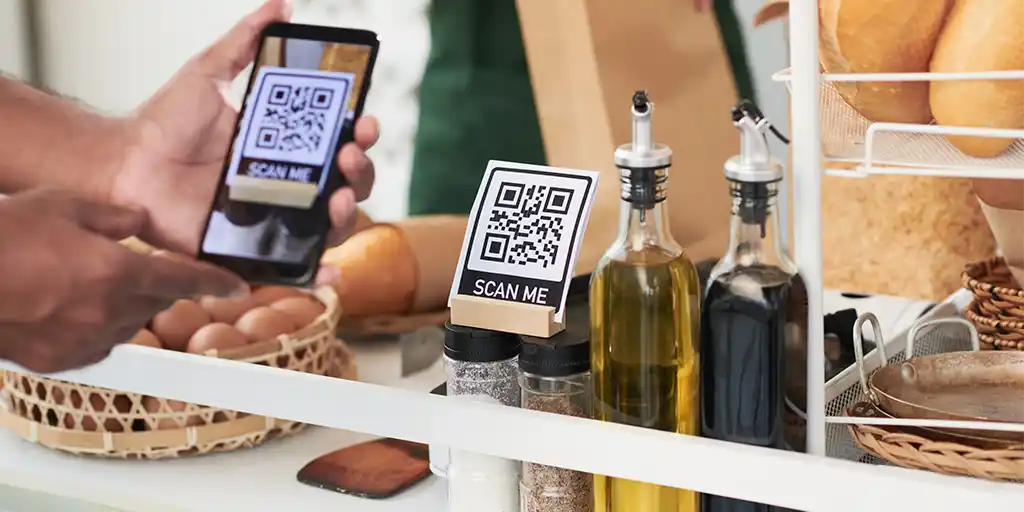
QR codes are likely to become more common across products over the next few years, led by brands as much as retailers. Whether it’s linking to recipes, provenance or promotions, they offer a simple way to bridge the gap between physical and digital without major investment.
Speed, simplicity and relevance have always been its strengths. As bigger retailers focus on data-driven precision, those qualities become even more valuable.